BOOK INTRODUCTION
The book chronicles the life of my great aunt, Alberta Johnson, who served as a nurse in France during World War I. Although I have embellished parts of the story, most of it is true and is based on my great aunt’s diary, which describes her experiences caring for the wounded and her travels in France during the war. I have also woven a romance into the novel.
A famous poem written by one of the most well-known poets of the First World War. This work remains widely recognized today and is often recited at Arlington National Cemetery, where many of our nation’s brothers and sisters rest after succumbing to the tragedy of war.
One of the most memorable war poems ever written, this poem stands as a lasting legacy of the terrible fighting in the Ypres Salient in the spring of 1915.
In Flanders Fields
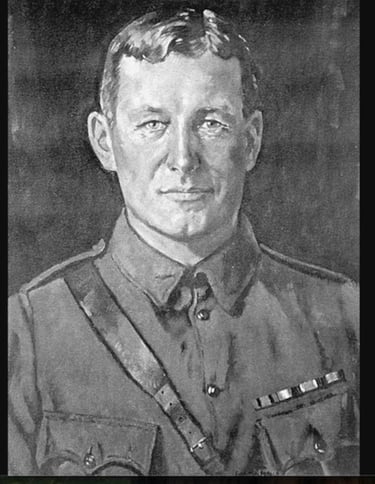
Written May 3, 1915 - By Lieutenant Colonel John McCrae, MD
Canadian Army (1872–1918)
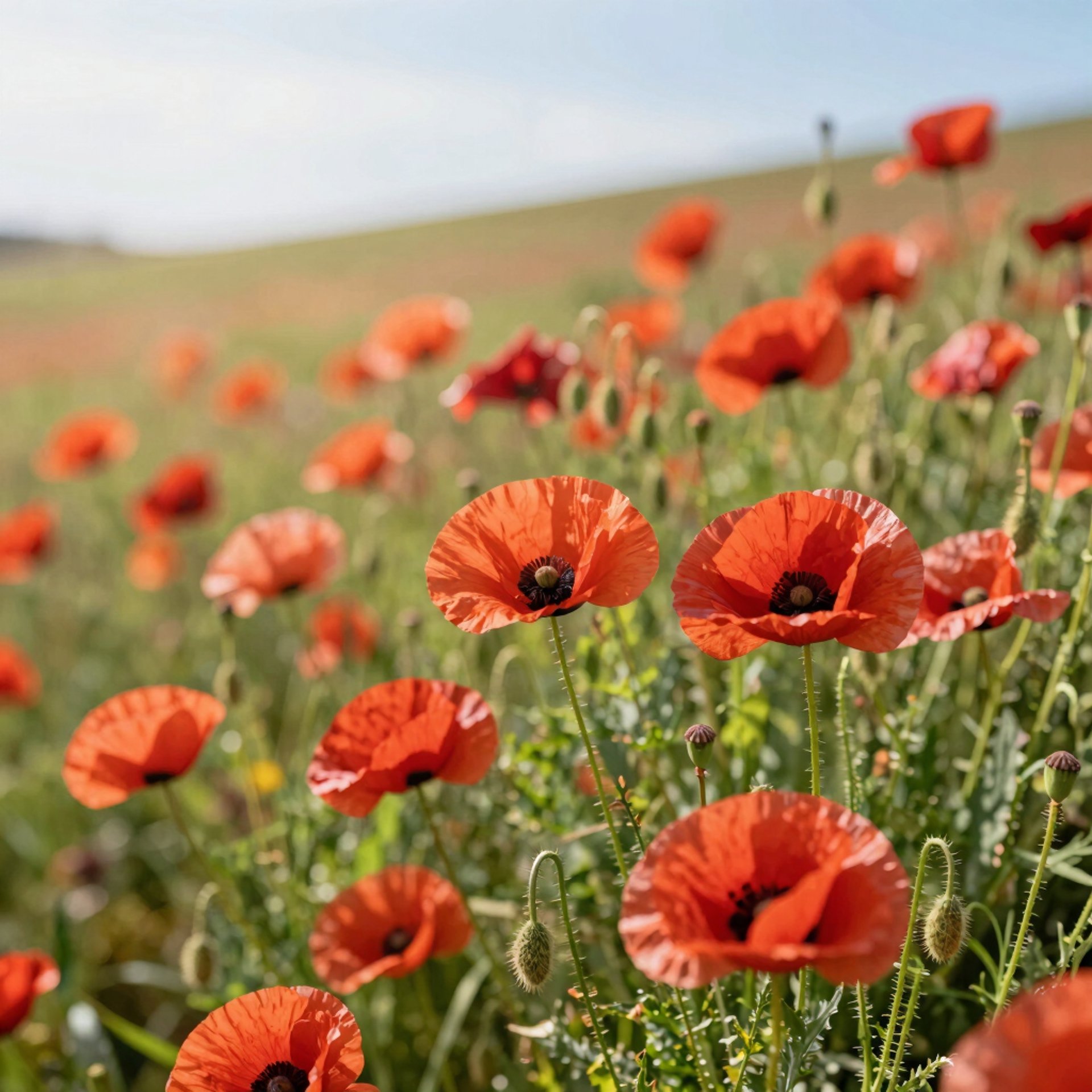
In Flanders fields the poppies blow
Between the crosses, row on row,
That mark our place; and in the sky
The larks, still bravely singing, fly,
Scarce heard amid the guns below.
We are the Dead. Short days ago
We lived, felt dawn, saw sunset glow,
Loved and were loved, and now we lie
In Flanders fields.
Take up our quarrel with the foe:
To you from failing hands we throw
The torch; be yours to hold it high.
If ye break faith with us who die
We shall not sleep, though poppies grow
In Flanders fields.
The author, Lieutenant Colonel John McCrae—poet, physician, artist, and soldier—served as a surgeon during the Second Battle of Ypres. He died of pneumonia near the end of the war, leaving behind a poem that has endured as one of the most powerful literary memorials of World War I.